ingrid.fyi India's software hiring trends, explained.
Sign in to ingrid.fyi with Google
Your Google account
name@gmail.com
Continue with Google
Home / Product companies / VI · Healthtech and life sciences / Pharma and life sciences / Life science instruments and lab software
On this page
Life science instruments and lab software The instruments on the lab bench, and the software that runs the laboratory Back to the molecule from Market Segment 25.1, AI drug discovery platforms. The computer has proposed it. Now a chemist makes a small amount of it, and a laboratory must check what is really in the tube. Years later, when the medicine is made in a factory, a quality-control laboratory checks every batch the same way.

A research or quality-control laboratory runs on instruments:

  • the chromatograph, which separates a sample into its parts
  • the mass spectrometer, which identifies each part by weighing its molecules
  • the sequencer, which reads DNA
  • the bioreactor, a tank in which living cells are grown to make a medicine
  • the microscope, and the plate reader, which measures hundreds of small samples at once

The instrument makers are some of the largest companies in science. Several run large engineering centres in India, which write the software inside and around the instruments. This Market Segment covers them, and the software that runs the laboratory itself. The buyers are drug companies, research laboratories and universities.

Every company named here has posted software engineering jobs in India. Famous companies that don't actively hire software engineers in India are left out.

This Market Segment has two sub-segments:

The instruments: the machines that test, read and grow samples. Running the lab: the laboratory's information systems, the links between its instruments, and its supplies.

Keep reading, free

Two more sections are on this page: The instruments and Running the lab. Sign in to read them here, in full.

Continue with Google
  • The instruments
  • Running the lab
The instruments Chromatography and mass spectrometry, sequencing, bioprocessing, cell analysis and imaging

Back to the tube with the new molecule from the start of this Market Segment. It goes first into a chromatograph and a mass spectrometer.
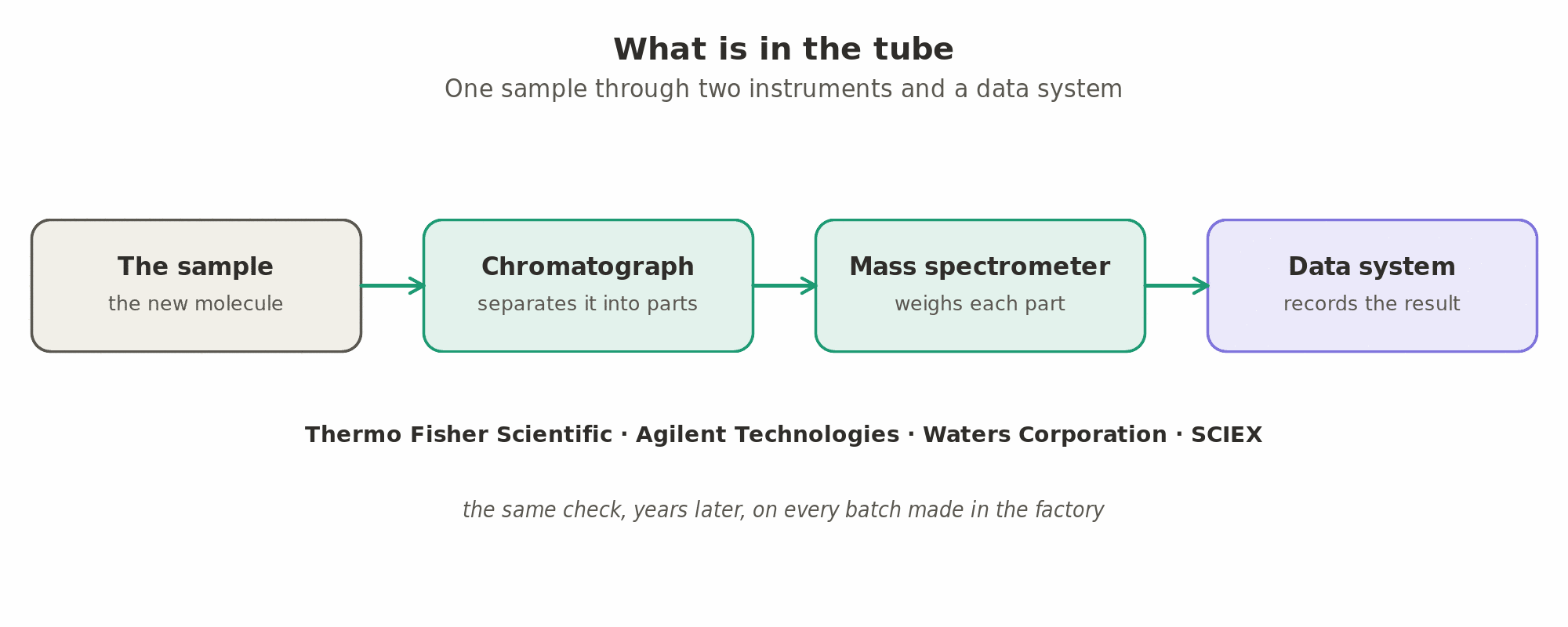
What is in the tube: the chromatograph separates the sample into its parts, the mass spectrometer identifies each part by weighing its molecules, and the data system records the result for the chemist, or for quality control when the medicine is made in a factory.What is in the tube: the chromatograph separates the sample into its parts, the mass spectrometer identifies each part by weighing its molecules, and the data system records the result for the chemist, or for quality control when the medicine is made in a factory.

The largest makers

Thermo Fisher Scientificwith engineers in Bengaluru and Hyderabad, has the most job postings in this Market Segment, and in Industry Vertical 25. It is the largest scientific-instrument company in the world. It makes mass spectrometers, chromatographs and sequencers, and sells reagents, the chemicals used in tests, and laboratory services. Its Indian centres build much of its instrument software. Agilent Technologieswith engineers in Bengaluru, Delhi and Hyderabad, and Waters Corporation, with engineers in Bengaluru, make the chromatography and mass-spectrometry systems of drug companies' quality control. They also make the data systems that record the results. PerkinElmer and Revvityare the two businesses that PerkinElmer was divided into: one for analysis, and one for discovery. They make the same kind of instruments, and the software around them.

The Danaher group. Four of the companies here belong to the Danaher group:

Beckman Coulter Life Scienceswith engineers in Bengaluru, makes three kinds of instrument. Centrifuges spin samples to separate them. Liquid handlers are robots that move tiny amounts of liquid. Flow cytometers count and sort cells. (It also appears in Market Segment 36.3, Enterprise devices and professional AV equipment, in Industry Vertical 36, Electronics and devices.) Cytivamakes chromatography systems, and single-use bioreactors for making biologic drugs: medicines made by living cells rather than by chemistry. SCIEXmakes mass spectrometers. Molecular Deviceswith engineers in Kolkata, makes plate readers and systems that take images of cells.

Reading DNA, growing cells, seeing small things

Illuminawith engineers in Bengaluru, makes the sequencers that read most of the world's DNA. Sartoriuswith engineers in Bengaluru, makes bioreactors and filtration equipment for biologic drugs. (For those, it also appears in Market Segment 37.5, Industrial machinery and robotics, in Industry Vertical 37, Manufacturing tech.) Evident Microscopyformerly the scientific business of Olympus, makes microscopes and their imaging software.

One company covered mainly in another Market Segment belongs here too:

Guardant Health Indiawith engineers in Hyderabad, is here for its genomics laboratory. (More on it in Market Segment 24.2, Diagnostics and lab testing, in Industry Vertical 24, Hospitals, diagnostics and medical devices.)
Running the lab Laboratory information and quality systems, instrument integration, lab procurement and scheduling

Back to the laboratory from the start of this Market Segment. Every sample, every result and every instrument must be tracked, and the records must satisfy the drug regulator. The companies in this sub-segment run the laboratory itself.

Caliber Technologieswith engineers in Hyderabad, sells a laboratory information system, quality management, and electronic batch records to Indian and international drug makers. A batch record is the official record of how each batch of a medicine was made. Scitarawith engineers in Mumbai, connects a laboratory's instruments and systems, so data flows between them without being copied by hand. Zagenowith engineers in Bengaluru, runs a marketplace through which laboratories buy their supplies. Binocsschedules a laboratory's people and instruments. The self-driving lab.

A laboratory's instruments, robots and software can now be connected, and directed by an AI model. Together they can design an experiment, run it, read the result, and choose the next one, with no person needed between the steps. Such self-driving labs already exist in research. The instrument makers here are building the connections that would bring them into industry.
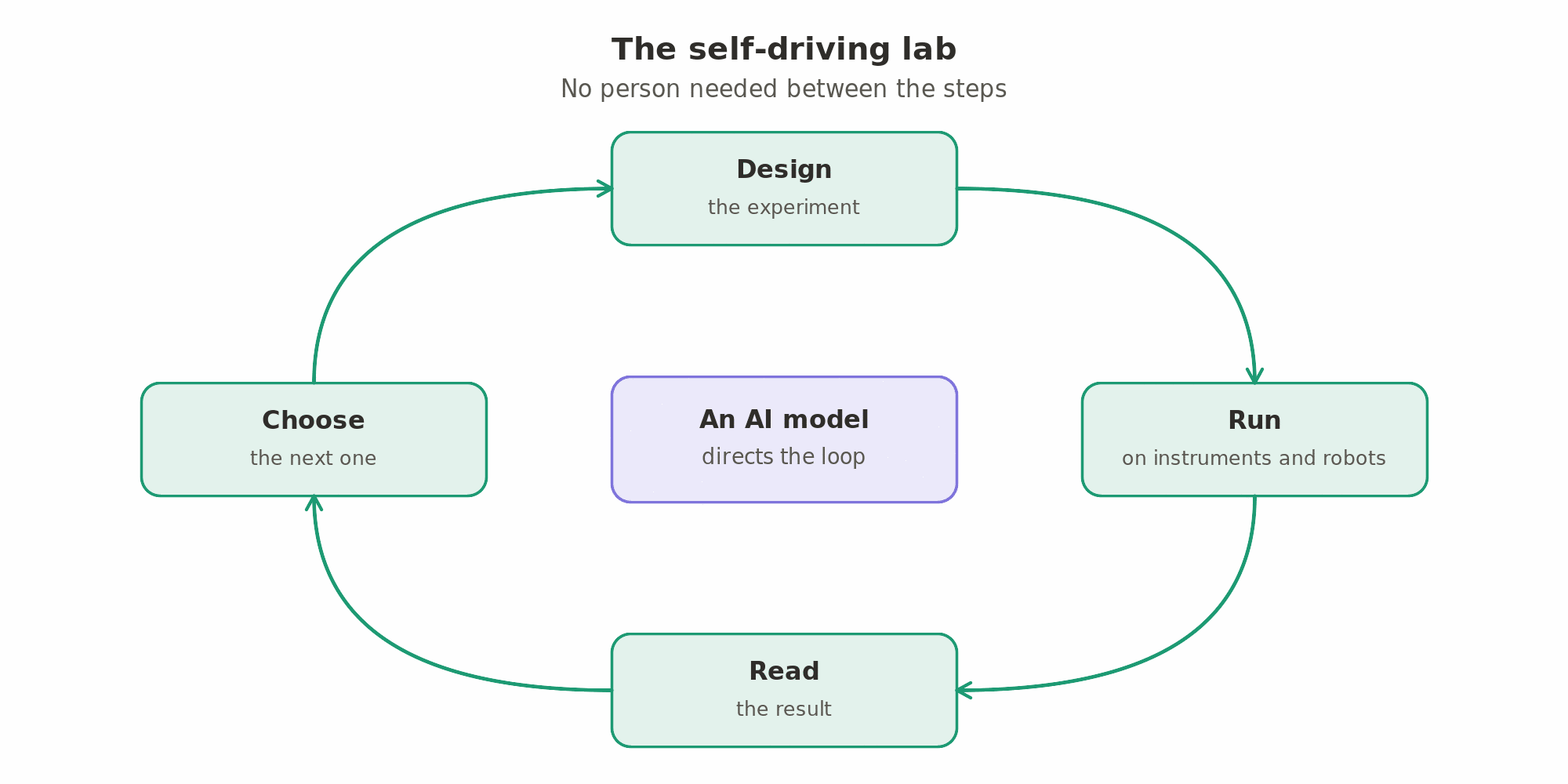
A self-driving lab: instruments, robots and software, directed by an AI model, design an experiment, run it, read the result and choose the next one, with no person needed between the steps.A self-driving lab: instruments, robots and software, directed by an AI model, design an experiment, run it, read the result and choose the next one, with no person needed between the steps. So the molecule from the start of this Market Segment was tested on instruments whose software is largely written in India. And the laboratory that tested it was run on software that tracked every sample, result and instrument.
Who they hire

Who these companies hire, and for what, is on What pharma and life sciences companies hire for.

Privacy Terms Refunds and cancellation Shipping and delivery © 2026 ingrid.fyi · Payments by Razorpay
You're browsing as a guest. Sign in free to follow links for five minutes, once an hour.