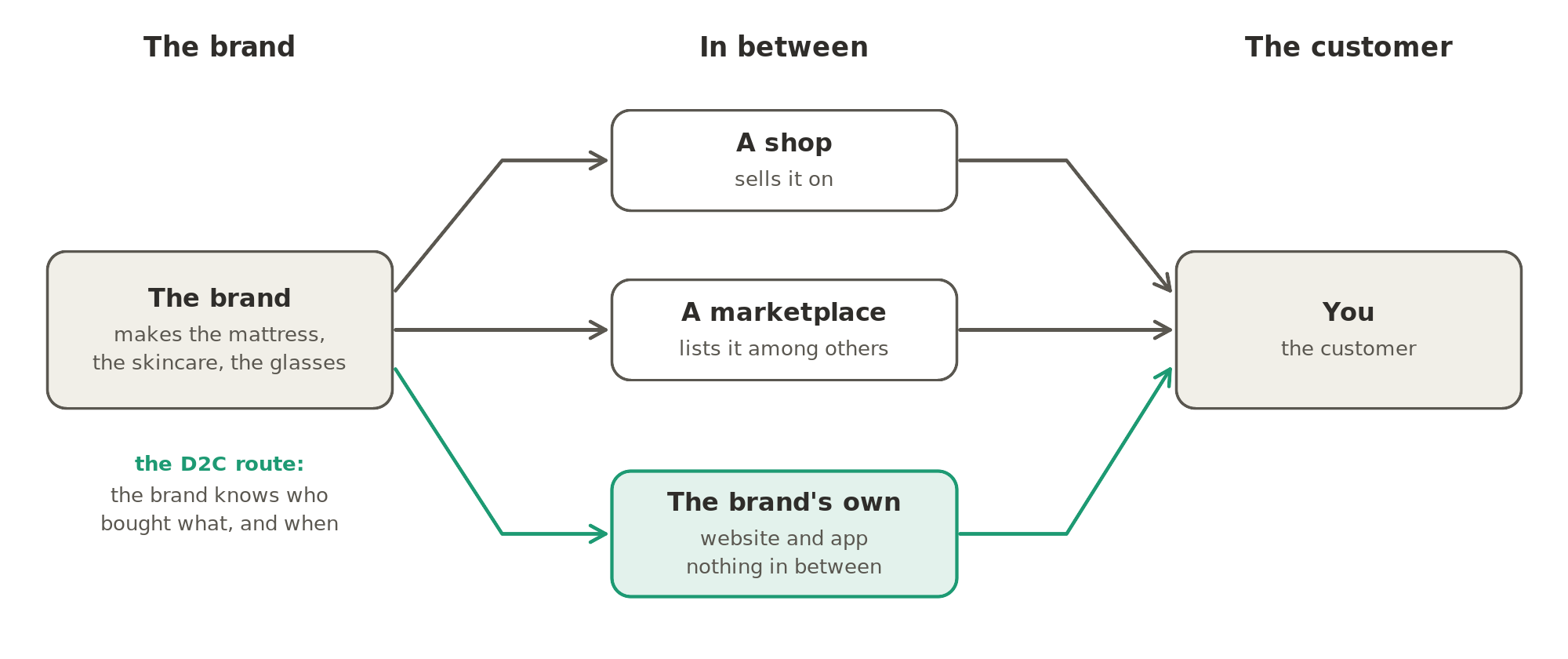
Many of these things came from a direct-to-consumer brand, often called a D2C brand. A D2C brand sells through its own website and app, not through a shop or a marketplace. Examples include:
- the mattress in a box
- the skincare line
- jewellery and eyeglasses bought online
- milk and meat delivered each morning
A D2C brand owns its customer and its data. It knows who bought what and when, because no shop or marketplace stands in between. To do this, it spends heavily on marketing and on software.
India has a large crop of these brands, and several foreign brands build their technology here.
Every company named here has posted software engineering jobs in India. Famous companies that don't actively hire software engineers in India are left out.
This Market Segment has two sub-segments. The first covers foreign brands, built partly in India. The second covers India's own direct brands.
Keep reading, free
Two more sections are on this page: Built in India, sold abroad and India's direct brands. Sign in to read them here, in full.
Continue with Google- Built in India, sold abroad
- India's direct brands
The first brands in this Market Segment sell to customers abroad, but build their software in India.
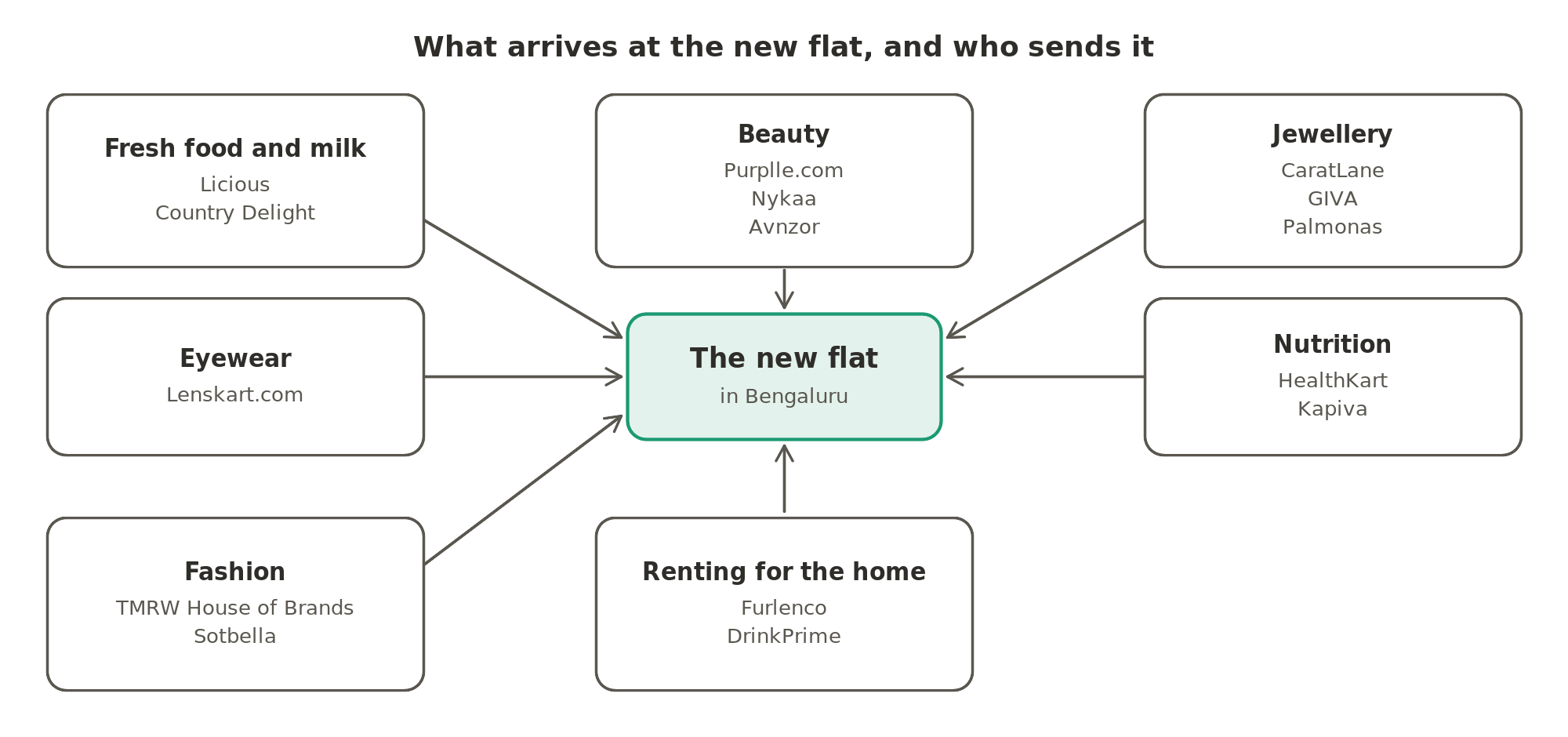
Back to the new flat in Bengaluru from the start of this Market Segment. Most of what arrived there could have come from one of these brands.
Fresh food and milk at the door
Beauty
Jewellery
Eyewear
Nutrition
Fashion
Renting for the home
One company covered mainly in another Market Segment
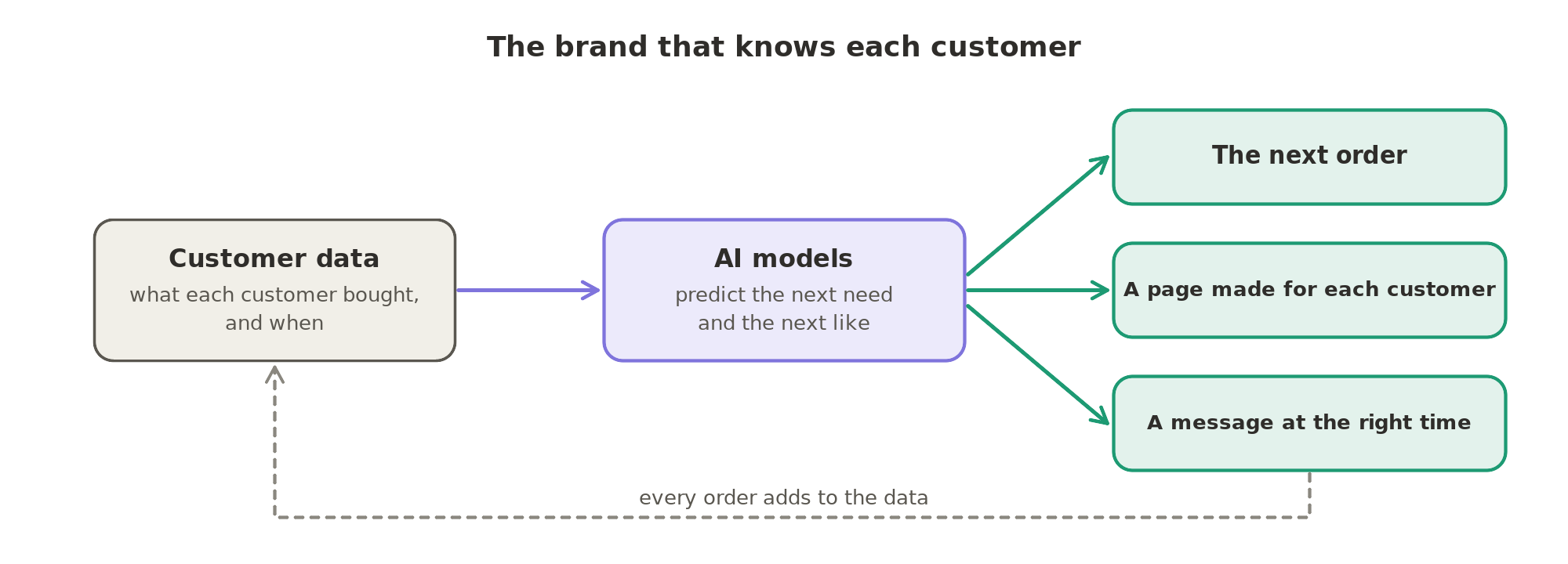
A direct brand's advantage is its data: what each customer bought, when they will need it again, and what they will like next. AI models turn that data into the next order, a web page personalised for each customer, and a message sent at the right time. Many of India's direct brands are now opening physical stores, and they are using this data to make the store feel like the app.
Who these companies hire, and for what, is on What e-commerce and D2C brands companies hire for.